Prepare for an Economic Collapse


At some point this debt train is going to come to a screeching halt; when that happens we are going to see panic and chaos like nothing we’ve ever seen before.

As we’ve been covering for some time now, a look at the numbers and data shows we are heading for a potential disaster. From a series of high profile banks going bust to record inflation combined with major supply chain shortages, our economy seems to be heading right off the cliff. And now there’s a brand-new threat that almost nobody was talking about a year ago: AI-powered hackers that can find and exploit weaknesses in banking systems faster than humans can patch them.

The world, especially the United States, is drowning in debt.

The United States, once the world’s shining example of fiscal security and responsibility, has become shackled by a record amount of debt. We are literally drowning in debt.

The national debt blew past $40 trillion in August 2026, just five months after crossing $39 trillion, and stood at roughly $40.5 trillion by early November. Interest payments on the debt held by the public hit nearly $1.1 trillion in fiscal 2026, almost triple what they were five years ago. Debt held by the public is now larger than the entire U.S. economy for the first time since World War II, and the government is still spending more than $2 trillion a year beyond what it takes in.

When factoring in unfunded liabilities like Social Security, Medicare, government pension plans, and other obligations, the true debt number is actually much higher. According to the 2026 Social Security Trustees Report, Social Security alone has a 75-year unfunded obligation of $29.3 trillion, up from $25.1 trillion just one year earlier. Measured over the program’s full time horizon, that shortfall balloons to $71.9 trillion. And the trust fund that pays retirement benefits is now projected to run dry in 2032, just six years from now.

But it’s not just the government, people are borrowing at record levels as well.

  • Household debt hit a new record of $19.1 trillion in Q3 2026, up $334 billion in just three months, driven by increases in mortgages and home equity lines of credit.
  • Credit card balances reached a record $1.29 trillion in Q3 2026, up roughly $500 billion over the last five years, with the average cardholder carrying about $6,610 in card debt.
  • Total consumer debt delinquencies are climbing, with 5.0% of outstanding debt in some stage of delinquency as of Q3 2026, the highest level since early 2016.

The overall Economic numbers are downright Scary!

  • On paper, GDP growth looks solid, with the IMF projecting 2.3% U.S. growth in both 2026 and 2027. But here is the catch: as much as one-third of recent U.S. growth has been tied to the AI boom. If that bubble pops, the floor could fall out fast.
  • Oxford Economics warned in November 2026 that today’s conditions look troublingly similar to the warning signs that came right before the 2001 dot-com recession, while Goldman Sachs estimates $500 billion in AI-related debt has been issued this year alone.
  • Commercial real estate is still stuck behind a massive maturity wall, with about $875 billion in loans coming due in 2026 and another $652 billion in 2027, at interest rates far higher than when those loans were made.
  • Persistent inflation, energy price shocks, and expanding trade barriers continue to weigh on the world economy, with global growth expected to slow to 3.1% in 2026 and global inflation rising to 4.7%.
  • The U.S. money supply (M2) hit a record $23.34 trillion in August 2026, up 5.7% year over year, the fastest growth since June 2022, raising renewed inflation concerns.
  • The typical homebuyer now needs to spend about 37.6% of their income to afford a median-priced home, and the median monthly housing payment climbed to $2,647 this summer, while the personal savings rate has fallen to just 3.8% as of September 2026.
  • Total household debt is now $5 trillion higher than it was just before the pandemic, with delinquencies rising in mortgages and auto loans, and nearly 11% of student loan balances seriously delinquent.
  • Commercial mortgage-backed securities are flashing red, with the CMBS delinquency rate hitting 8.02% in September 2026, its highest level since November 2020, as maturing loans fail to refinance.

The New Threat: AI Hackers and the Banking System

For years we have warned that our entire financial system runs on computers, and that a successful cyberattack could freeze access to your money overnight. In 2026, that threat went from a prepper talking point to a top concern for the people who actually run the financial system.

On April 7, 2026, Treasury Secretary Scott Bessent and Federal Reserve Chair Jerome Powell called an unannounced emergency meeting with the CEOs of the country’s largest, most “systemically important” banks. The subject was a new AI model called Mythos, built by Anthropic, which had identified thousands of software vulnerabilities across virtually every major operating system and web browser. The company has been using it to find and fix flaws before criminals can exploit them, but security experts warned that state actors and hackers are likely to build similar tools. Officials wanted to make sure the banks were taking urgent precautions.

They are not the only ones sounding the alarm:

  • European Central Bank President Christine Lagarde said in November 2026 that AI-boosted cyber threats are now her top worry, because they are harder to detect, prevent, and trace, raising risks for financial stability.
  • In an October speech, Lagarde warned that an attack on technology shared by many banks could disrupt several firms at once, and noted that the newest AI models can now complete every step of a simulated 32-step cyberattack that models from late 2025 could only partly finish.
  • In November 2026, French banking group Crédit Mutuel Arkéa was hit by hackers who got in through a third-party provider and reportedly stole around 118 million euros. The bank temporarily suspended certain transactions, delaying wire transfers for customers.
  • Major U.S. banks including JPMorgan, Bank of America, Wells Fargo, and Morgan Stanley are racing to contain AI agents logging into customer accounts, and many banks cannot reliably tell whether that activity is actually directed by the account holder.
  • Security researchers warn the biggest danger may not be stolen data at all, but silent corruption of bank records: altered ledgers, balances, and transactions that look legitimate while undermining the books themselves.

How an AI cyberattack could trigger a collapse

Here is why this matters to anyone preparing for an economic collapse. Banks run on confidence. In 2023, customers pulled $42 billion out of Silicon Valley Bank in a single day, all from their phones, and the bank was gone within 48 hours. Now imagine that kind of panic set off not by bad investments, but by a hack.

Most banks rely on the same small group of outside technology vendors for fraud screening, payments, and account systems. Researchers have modeled how a compromise at just one of those shared vendors could spread from bank to bank until the damage looks, from the outside, like a classic banking crisis. One successful attack on a shared payment processor or core banking provider could freeze debit cards, ATMs, and transfers at hundreds of banks at the same time. If people can’t trust that the number in their account is real, they will rush to pull out whatever they can, and a technical outage turns into a full-blown bank run.

Now stack that on top of $40 trillion in national debt, record household borrowing, a shaky commercial real estate market, and an economy leaning heavily on an AI investment boom. A banking system already under strain has very little room to absorb a shock like that.

That is exactly why the steps below matter more than ever. Keep some cash at home, so a frozen card or a down ATM network doesn’t leave you unable to buy food or fuel. Spread your money across more than one bank. Keep printed copies of your recent statements and balances so you can prove what you had if records are ever corrupted. And make sure you have enough food, water, and supplies on hand to ride out a few weeks without access to the banking system.

What can you expect during a major Economic Collapse?

  • A Run on the Banks: One of the first things you will see is a run on the banks. People are going to be panicking, and they will be doing everything they can to get their hands on cash to buy extra supplies.
  • Chaos in the Streets: Once the banks run dry, you will see people turn desperate. The moment they realize the money is gone is the moment you will see widespread chaos sweep throughout the country. Riots, looting, and widespread violence will break out, making self-defense one of your primary concerns.
  • Martial Law: When things start to go bad, I believe you will see the government declare a state of emergency or Martial Law. When this happens you will see things like travel restrictions, mandatory curfews, and the suspension of Constitutional rights.

So what should you do to prepare for an economic collapse?

  • Are you prepared to survive a total economic collapse?
  • If you haven’t already, it’s time to put together a plan of action. The fact is, the writing has been on the wall for some time now, and we probably don’t have much time left.
  • If and when things go bad, and money starts to become scarce, do you have a plan? What if we suffer a complete meltdown and collapse of the economy?

I devoted an entire section to financial preparedness and the coming collapse of the economy in my book, The Ultimate Situational Survival Guide; because I firmly believe it’s one of the most serious threats we face.

The first thing you need to do is Develop a Plan of Action.

The first step in preparing for an economic collapse is to have a plan. You should have a clear idea of what to do in case of a financial crisis. This plan should include steps you would take to protect yourself and your family.

A good starting point would be to have some emergency savings. These savings should be enough to cover your living expenses for at least six months. This could be in cash, precious metals, or other assets that can hold value during a financial crisis.

Another important aspect of your plan should be to have a source of income not affected by the collapse. This could be through investing in assets that will not lose value during a crisis, such as gold or silver (or good ol beans and bullets!). Alternatively, you could start a side business that provides a steady income stream.

If things go bad, having a plan of action will help increase your chances of surviving the chaos. Check out my list of Essential Preparedness Tips, Skills, and Resources to Prepare for Disasters & Threats.

Start being Smart with your Money
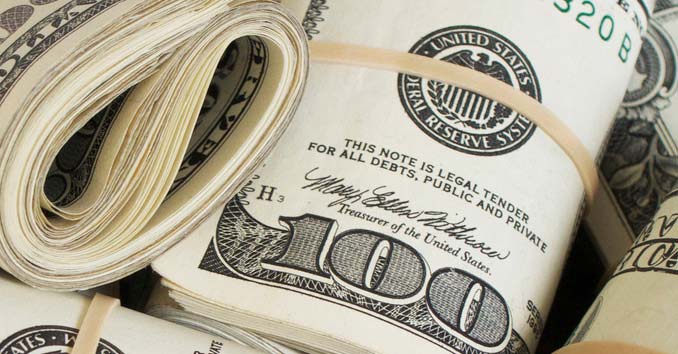
Money

During the 2008 financial collapse, millions of Americans lost their homes, cars and personal possessions because they saddled with debt. Since the so-called COVID pandemic, that trend has begun again with millions of people who now owe more on their property than they are worth, a vehicle repo market that is exploding, and consumer dent that is at record highs.

  • If you can get out of debt, do it now. Start cutting all non-essential expenses, and use that money to pay down your debt. During an economic collapse, the likelihood of losing your home to debt collectors is a very real prospect.
  • Start an Emergency Fund: Just like all areas of preparedness, there are steps you can take to insulate yourself from problems. Having an emergency fund is one way to prepare for financial troubles. It will give you a bit of a cushion during hard times, and can provide you with a fund to buy last minute supplies once things start to go bad.
  • Always have Cash on Hand: Once things start to go bad, there is a very real possibility that the banks may freeze or seize your accounts. Should there be a run on the banks; people are going to be desperate to get their hands on some cash. Even during a total economic collapse, paper currency will still play a major role in how people buy and sell during the initial phases of the crisis – especially if a bank holiday is declared.

Start Prepping for Problems NOW.

OFFGRID SURVIVAL Prepper Resources

Now is the time to really start taking a serious look at your overall level of preparedness. The economy has been teetering on the edge of collapse for quite some time, throw in inflation that has almost doubled the price of staple goods and the growing social unrest that’s sweeping the country and you have yourself a real recipe for disaster.

  • Put together an emergency kit that includes extra food & water, clothing, a portable shelter (tents, tarps, sleeping bags.), and a way to defend yourself.
  • Think about what things are unique to your situation; items like medications, or supplies that you would be hard pressed to live without, should be stockpiled in preparation for economic troubles.
  • For more information on prepping, check out our article on the top ten prepping tips for every SHTF situation. Every one of those tips can help prepare you to deal with an economic crisis.

Start stocking up on Survival Supplies.
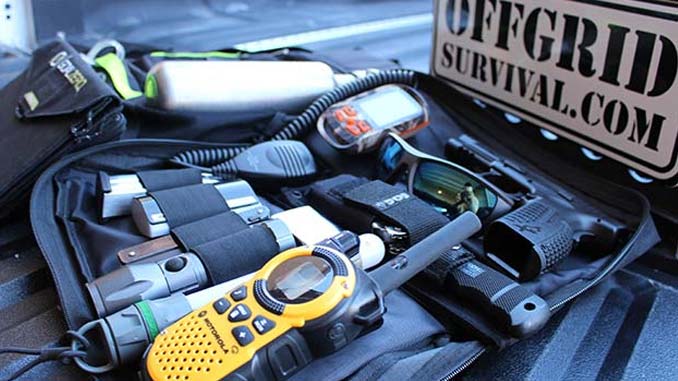
Urban Survival Gear

During an economic collapse, supply chain disruptions and shortages of essential supplies are possible. Therefore, it is essential to stockpile some essential supplies to tide you over during the crisis. Now is the time to buy the things you need! I’m not talking about T.Vs or IPads; but instead, long-term supplies that you will need in order to survive in the future.

  • Start stockpiling food and long-term consumables. During any type of crisis, food, water and long-term consumables are going to be worth their weight in gold. During an economic collapse, you will likely see major supply chain shortages and problems, making these types of supplies one of your most important pre-collapse considerations.
  • Put together a Bug Out Bag: Should this country face an economic collapse, chances are pretty good it will be followed by riots, violence and something much uglier than the initial collapse of the economy. You should have a Bugout bag filled with everything you need to survive a prolonged emergency situation.
  • Keep a good supply of First-Aid & Medical Supplies on Hand. Medical and personal hygiene supplies are going to be hard to come by when things go bad. Make sure you have everything you need to deal with medical emergencies.
  • Some of the critical supplies you should consider stockpiling include food, water, medicine, and toiletries. You should also have a backup power source, such as a generator or solar panels, in case of power outages and infrastructure breakdowns.

Be Prepared to Feed Yourself when the Collapse Hits!

Grocery Options that ship right to your Home: 

Pay Off Debt
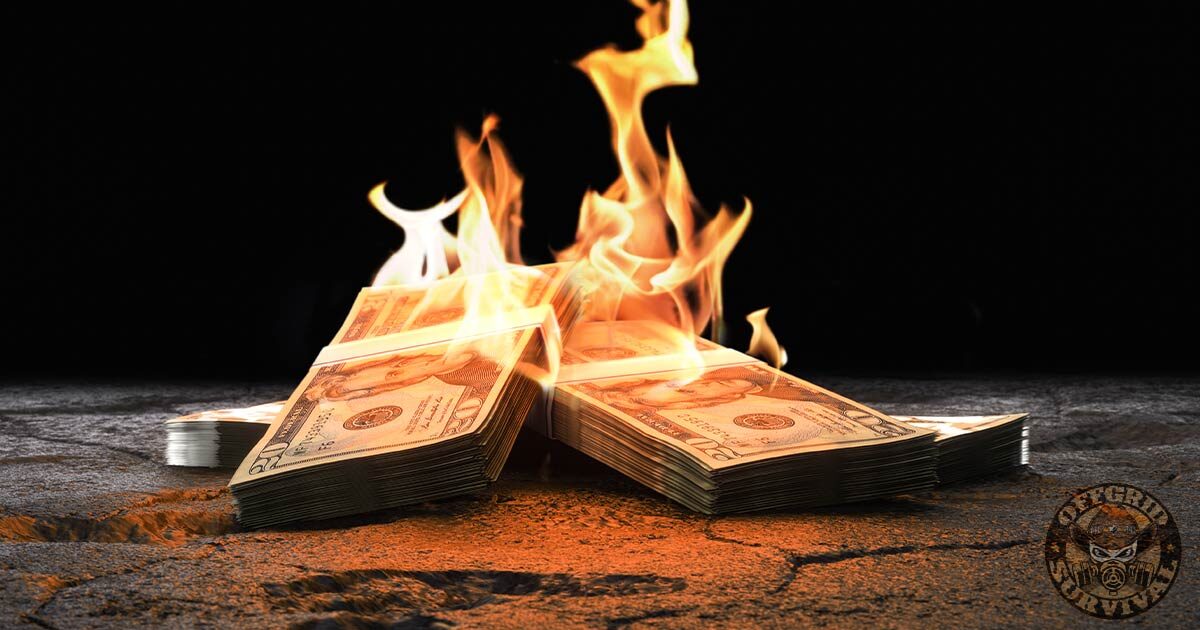
Money Burning

One of the biggest challenges during an economic collapse is debt. High levels of debt can be a significant burden during a financial crisis, especially if you lose your source of income.

Therefore, paying off any high-interest debt before a financial crisis hits is essential. This will help reduce your monthly expenses and free up money you can use for other essential things.

If you have a mortgage, it may be wise to consider refinancing to a fixed-rate mortgage, which can provide some stability during the crisis.

Start Stocking up on Survival Knowledge.

Holiday Fishing Gear Guide

Even more important than supplies, is survival knowledge. Knowledge is the key to your survival, and now is the time to get some. During any kind of disaster, including an economic collapse, knowledge is going to be your most powerful ally.

During a crisis, the skills that are in demand may change, and having a wide range of skills can increase your chances of finding employment or starting a new business. Some valuable skills to learn are gardening, carpentry, welding, and plumbing. These skills can help you make repairs or grow your food, saving you money and keeping you self-sufficient during a crisis.

Additionally, learning new skills can also increase your current earning potential, which can help you build your emergency savings or invest in assets that will hold value during a crisis.

To truly be prepared, you need to learn how to be 100% self-sufficient.

Take a serious look at your Self-Defense.
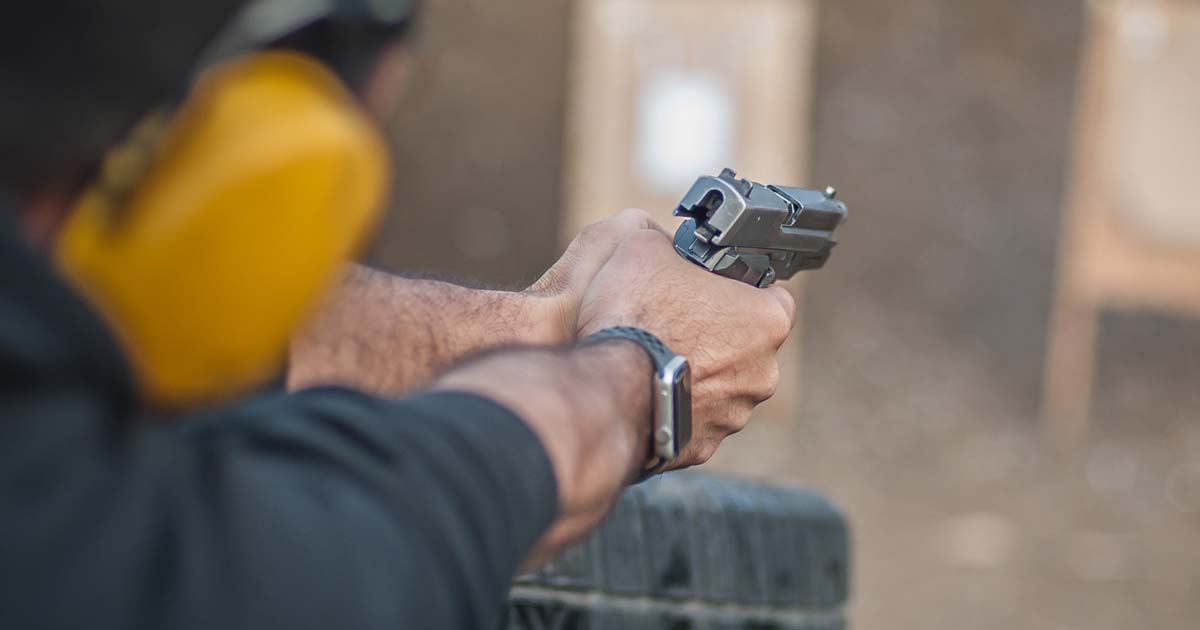
Safe Gun Use

One of the biggest threats you’re going to face during an economic crisis is the threat posed by people. The social unrest and riots we’ve witnessed over the last couple of years are going to pale in comparison to what we’ll see during a full-scale economic collapse.

  • Take a serious look at gun ownership, and learn everything you can about self-defense. When things go bad, you are going to need a way to protect yourself and those you love.
  • Watch for signs of social unrest, and stay alert to what’s going on in your neighborhood and throughout the world.
  • During an economic collapse, problems like home invasions and burglaries are going to become a real problem. Start looking into ways to strengthen your home’s security.

Be Prepared to Defend Yourself

Preparing for an economic collapse can be challenging, but it is essential in today’s uncertain world. By having a plan, diversifying your investments, stockpiling essential supplies, learning new skills, and paying off debt, you can increase your chances of surviving and thriving during a financial crisis.

An economic collapse is a very real threat, one that has far-reaching consequences that you must take seriously. If you haven’t put together a game plan, what are you waiting for?

While nobody here is making any specific predictions, and I certainly can’t tell you that it’s going to happen on this date, in this year; I can tell you that the possibility is very real, and the reality of the situation is our politicians and leaders continue to put policies in place that ensure some very real future problems.


Source link


At some point this debt train is going to come to a screeching halt; when that happens we are going to see panic and chaos like nothing we’ve ever seen before.

As we’ve been covering for some time now, a look at the numbers and data shows we are heading for a potential disaster. From a series of high profile banks going bust to record inflation combined with major supply chain shortages, our economy seems to be heading right off the cliff. And now there’s a brand-new threat that almost nobody was talking about a year ago: AI-powered hackers that can find and exploit weaknesses in banking systems faster than humans can patch them.

The world, especially the United States, is drowning in debt.

The United States, once the world’s shining example of fiscal security and responsibility, has become shackled by a record amount of debt. We are literally drowning in debt.

The national debt blew past $40 trillion in August 2026, just five months after crossing $39 trillion, and stood at roughly $40.5 trillion by early November. Interest payments on the debt held by the public hit nearly $1.1 trillion in fiscal 2026, almost triple what they were five years ago. Debt held by the public is now larger than the entire U.S. economy for the first time since World War II, and the government is still spending more than $2 trillion a year beyond what it takes in.

When factoring in unfunded liabilities like Social Security, Medicare, government pension plans, and other obligations, the true debt number is actually much higher. According to the 2026 Social Security Trustees Report, Social Security alone has a 75-year unfunded obligation of $29.3 trillion, up from $25.1 trillion just one year earlier. Measured over the program’s full time horizon, that shortfall balloons to $71.9 trillion. And the trust fund that pays retirement benefits is now projected to run dry in 2032, just six years from now.

But it’s not just the government, people are borrowing at record levels as well.

  • Household debt hit a new record of $19.1 trillion in Q3 2026, up $334 billion in just three months, driven by increases in mortgages and home equity lines of credit.
  • Credit card balances reached a record $1.29 trillion in Q3 2026, up roughly $500 billion over the last five years, with the average cardholder carrying about $6,610 in card debt.
  • Total consumer debt delinquencies are climbing, with 5.0% of outstanding debt in some stage of delinquency as of Q3 2026, the highest level since early 2016.

The overall Economic numbers are downright Scary!

  • On paper, GDP growth looks solid, with the IMF projecting 2.3% U.S. growth in both 2026 and 2027. But here is the catch: as much as one-third of recent U.S. growth has been tied to the AI boom. If that bubble pops, the floor could fall out fast.
  • Oxford Economics warned in November 2026 that today’s conditions look troublingly similar to the warning signs that came right before the 2001 dot-com recession, while Goldman Sachs estimates $500 billion in AI-related debt has been issued this year alone.
  • Commercial real estate is still stuck behind a massive maturity wall, with about $875 billion in loans coming due in 2026 and another $652 billion in 2027, at interest rates far higher than when those loans were made.
  • Persistent inflation, energy price shocks, and expanding trade barriers continue to weigh on the world economy, with global growth expected to slow to 3.1% in 2026 and global inflation rising to 4.7%.
  • The U.S. money supply (M2) hit a record $23.34 trillion in August 2026, up 5.7% year over year, the fastest growth since June 2022, raising renewed inflation concerns.
  • The typical homebuyer now needs to spend about 37.6% of their income to afford a median-priced home, and the median monthly housing payment climbed to $2,647 this summer, while the personal savings rate has fallen to just 3.8% as of September 2026.
  • Total household debt is now $5 trillion higher than it was just before the pandemic, with delinquencies rising in mortgages and auto loans, and nearly 11% of student loan balances seriously delinquent.
  • Commercial mortgage-backed securities are flashing red, with the CMBS delinquency rate hitting 8.02% in September 2026, its highest level since November 2020, as maturing loans fail to refinance.

The New Threat: AI Hackers and the Banking System

For years we have warned that our entire financial system runs on computers, and that a successful cyberattack could freeze access to your money overnight. In 2026, that threat went from a prepper talking point to a top concern for the people who actually run the financial system.

On April 7, 2026, Treasury Secretary Scott Bessent and Federal Reserve Chair Jerome Powell called an unannounced emergency meeting with the CEOs of the country’s largest, most “systemically important” banks. The subject was a new AI model called Mythos, built by Anthropic, which had identified thousands of software vulnerabilities across virtually every major operating system and web browser. The company has been using it to find and fix flaws before criminals can exploit them, but security experts warned that state actors and hackers are likely to build similar tools. Officials wanted to make sure the banks were taking urgent precautions.

They are not the only ones sounding the alarm:

  • European Central Bank President Christine Lagarde said in November 2026 that AI-boosted cyber threats are now her top worry, because they are harder to detect, prevent, and trace, raising risks for financial stability.
  • In an October speech, Lagarde warned that an attack on technology shared by many banks could disrupt several firms at once, and noted that the newest AI models can now complete every step of a simulated 32-step cyberattack that models from late 2025 could only partly finish.
  • In November 2026, French banking group Crédit Mutuel Arkéa was hit by hackers who got in through a third-party provider and reportedly stole around 118 million euros. The bank temporarily suspended certain transactions, delaying wire transfers for customers.
  • Major U.S. banks including JPMorgan, Bank of America, Wells Fargo, and Morgan Stanley are racing to contain AI agents logging into customer accounts, and many banks cannot reliably tell whether that activity is actually directed by the account holder.
  • Security researchers warn the biggest danger may not be stolen data at all, but silent corruption of bank records: altered ledgers, balances, and transactions that look legitimate while undermining the books themselves.

How an AI cyberattack could trigger a collapse

Here is why this matters to anyone preparing for an economic collapse. Banks run on confidence. In 2023, customers pulled $42 billion out of Silicon Valley Bank in a single day, all from their phones, and the bank was gone within 48 hours. Now imagine that kind of panic set off not by bad investments, but by a hack.

Most banks rely on the same small group of outside technology vendors for fraud screening, payments, and account systems. Researchers have modeled how a compromise at just one of those shared vendors could spread from bank to bank until the damage looks, from the outside, like a classic banking crisis. One successful attack on a shared payment processor or core banking provider could freeze debit cards, ATMs, and transfers at hundreds of banks at the same time. If people can’t trust that the number in their account is real, they will rush to pull out whatever they can, and a technical outage turns into a full-blown bank run.

Now stack that on top of $40 trillion in national debt, record household borrowing, a shaky commercial real estate market, and an economy leaning heavily on an AI investment boom. A banking system already under strain has very little room to absorb a shock like that.

That is exactly why the steps below matter more than ever. Keep some cash at home, so a frozen card or a down ATM network doesn’t leave you unable to buy food or fuel. Spread your money across more than one bank. Keep printed copies of your recent statements and balances so you can prove what you had if records are ever corrupted. And make sure you have enough food, water, and supplies on hand to ride out a few weeks without access to the banking system.

What can you expect during a major Economic Collapse?

  • A Run on the Banks: One of the first things you will see is a run on the banks. People are going to be panicking, and they will be doing everything they can to get their hands on cash to buy extra supplies.
  • Chaos in the Streets: Once the banks run dry, you will see people turn desperate. The moment they realize the money is gone is the moment you will see widespread chaos sweep throughout the country. Riots, looting, and widespread violence will break out, making self-defense one of your primary concerns.
  • Martial Law: When things start to go bad, I believe you will see the government declare a state of emergency or Martial Law. When this happens you will see things like travel restrictions, mandatory curfews, and the suspension of Constitutional rights.

So what should you do to prepare for an economic collapse?

  • Are you prepared to survive a total economic collapse?
  • If you haven’t already, it’s time to put together a plan of action. The fact is, the writing has been on the wall for some time now, and we probably don’t have much time left.
  • If and when things go bad, and money starts to become scarce, do you have a plan? What if we suffer a complete meltdown and collapse of the economy?

I devoted an entire section to financial preparedness and the coming collapse of the economy in my book, The Ultimate Situational Survival Guide; because I firmly believe it’s one of the most serious threats we face.

The first thing you need to do is Develop a Plan of Action.

The first step in preparing for an economic collapse is to have a plan. You should have a clear idea of what to do in case of a financial crisis. This plan should include steps you would take to protect yourself and your family.

A good starting point would be to have some emergency savings. These savings should be enough to cover your living expenses for at least six months. This could be in cash, precious metals, or other assets that can hold value during a financial crisis.

Another important aspect of your plan should be to have a source of income not affected by the collapse. This could be through investing in assets that will not lose value during a crisis, such as gold or silver (or good ol beans and bullets!). Alternatively, you could start a side business that provides a steady income stream.

If things go bad, having a plan of action will help increase your chances of surviving the chaos. Check out my list of Essential Preparedness Tips, Skills, and Resources to Prepare for Disasters & Threats.

Start being Smart with your Money

Money

During the 2008 financial collapse, millions of Americans lost their homes, cars and personal possessions because they saddled with debt. Since the so-called COVID pandemic, that trend has begun again with millions of people who now owe more on their property than they are worth, a vehicle repo market that is exploding, and consumer dent that is at record highs.

  • If you can get out of debt, do it now. Start cutting all non-essential expenses, and use that money to pay down your debt. During an economic collapse, the likelihood of losing your home to debt collectors is a very real prospect.
  • Start an Emergency Fund: Just like all areas of preparedness, there are steps you can take to insulate yourself from problems. Having an emergency fund is one way to prepare for financial troubles. It will give you a bit of a cushion during hard times, and can provide you with a fund to buy last minute supplies once things start to go bad.
  • Always have Cash on Hand: Once things start to go bad, there is a very real possibility that the banks may freeze or seize your accounts. Should there be a run on the banks; people are going to be desperate to get their hands on some cash. Even during a total economic collapse, paper currency will still play a major role in how people buy and sell during the initial phases of the crisis – especially if a bank holiday is declared.

Start Prepping for Problems NOW.

OFFGRID SURVIVAL Prepper Resources

Now is the time to really start taking a serious look at your overall level of preparedness. The economy has been teetering on the edge of collapse for quite some time, throw in inflation that has almost doubled the price of staple goods and the growing social unrest that’s sweeping the country and you have yourself a real recipe for disaster.

  • Put together an emergency kit that includes extra food & water, clothing, a portable shelter (tents, tarps, sleeping bags.), and a way to defend yourself.
  • Think about what things are unique to your situation; items like medications, or supplies that you would be hard pressed to live without, should be stockpiled in preparation for economic troubles.
  • For more information on prepping, check out our article on the top ten prepping tips for every SHTF situation. Every one of those tips can help prepare you to deal with an economic crisis.

Start stocking up on Survival Supplies.

Urban Survival Gear

During an economic collapse, supply chain disruptions and shortages of essential supplies are possible. Therefore, it is essential to stockpile some essential supplies to tide you over during the crisis. Now is the time to buy the things you need! I’m not talking about T.Vs or IPads; but instead, long-term supplies that you will need in order to survive in the future.

  • Start stockpiling food and long-term consumables. During any type of crisis, food, water and long-term consumables are going to be worth their weight in gold. During an economic collapse, you will likely see major supply chain shortages and problems, making these types of supplies one of your most important pre-collapse considerations.
  • Put together a Bug Out Bag: Should this country face an economic collapse, chances are pretty good it will be followed by riots, violence and something much uglier than the initial collapse of the economy. You should have a Bugout bag filled with everything you need to survive a prolonged emergency situation.
  • Keep a good supply of First-Aid & Medical Supplies on Hand. Medical and personal hygiene supplies are going to be hard to come by when things go bad. Make sure you have everything you need to deal with medical emergencies.
  • Some of the critical supplies you should consider stockpiling include food, water, medicine, and toiletries. You should also have a backup power source, such as a generator or solar panels, in case of power outages and infrastructure breakdowns.

Be Prepared to Feed Yourself when the Collapse Hits!

Grocery Options that ship right to your Home: 

Pay Off Debt

Money Burning

One of the biggest challenges during an economic collapse is debt. High levels of debt can be a significant burden during a financial crisis, especially if you lose your source of income.

Therefore, paying off any high-interest debt before a financial crisis hits is essential. This will help reduce your monthly expenses and free up money you can use for other essential things.

If you have a mortgage, it may be wise to consider refinancing to a fixed-rate mortgage, which can provide some stability during the crisis.

Start Stocking up on Survival Knowledge.

Holiday Fishing Gear Guide

Even more important than supplies, is survival knowledge. Knowledge is the key to your survival, and now is the time to get some. During any kind of disaster, including an economic collapse, knowledge is going to be your most powerful ally.

During a crisis, the skills that are in demand may change, and having a wide range of skills can increase your chances of finding employment or starting a new business. Some valuable skills to learn are gardening, carpentry, welding, and plumbing. These skills can help you make repairs or grow your food, saving you money and keeping you self-sufficient during a crisis.

Additionally, learning new skills can also increase your current earning potential, which can help you build your emergency savings or invest in assets that will hold value during a crisis.

To truly be prepared, you need to learn how to be 100% self-sufficient.

Take a serious look at your Self-Defense.

Safe Gun Use

One of the biggest threats you’re going to face during an economic crisis is the threat posed by people. The social unrest and riots we’ve witnessed over the last couple of years are going to pale in comparison to what we’ll see during a full-scale economic collapse.

  • Take a serious look at gun ownership, and learn everything you can about self-defense. When things go bad, you are going to need a way to protect yourself and those you love.
  • Watch for signs of social unrest, and stay alert to what’s going on in your neighborhood and throughout the world.
  • During an economic collapse, problems like home invasions and burglaries are going to become a real problem. Start looking into ways to strengthen your home’s security.

Be Prepared to Defend Yourself

Preparing for an economic collapse can be challenging, but it is essential in today’s uncertain world. By having a plan, diversifying your investments, stockpiling essential supplies, learning new skills, and paying off debt, you can increase your chances of surviving and thriving during a financial crisis.

An economic collapse is a very real threat, one that has far-reaching consequences that you must take seriously. If you haven’t put together a game plan, what are you waiting for?

While nobody here is making any specific predictions, and I certainly can’t tell you that it’s going to happen on this date, in this year; I can tell you that the possibility is very real, and the reality of the situation is our politicians and leaders continue to put policies in place that ensure some very real future problems.


Source link

More from author

Leave A Reply

Please enter your comment!
Please enter your name here

Related posts

Latest posts

Hackers Hit JPMorgan Chase, Visa and Mastercard: Stolen Customer Data Dumped on Dark Web

Three of the biggest names in American banking and payments have been caught up in a cyberattack, and the hackers have started releasing...

Internet Meltdown: NSA’s Classified Network Goes Down as Hackers Target Visa and JPMorgan Chase

America’s technology failures have now reached the intelligence community. The National Security Agency’s highly classified internal communications network is experiencing a major disruption,...

Massive Apple Outage Hits Stores, Offices and iCloud

The massive technology outage sweeping across Apple on Tuesday is now affecting far more than iPhones and cloud services. Reports indicate that Apple’s...

Want to stay up to date with the latest news?

We would love to hear from you! Please fill in your details and we will stay in touch. It's that simple!